


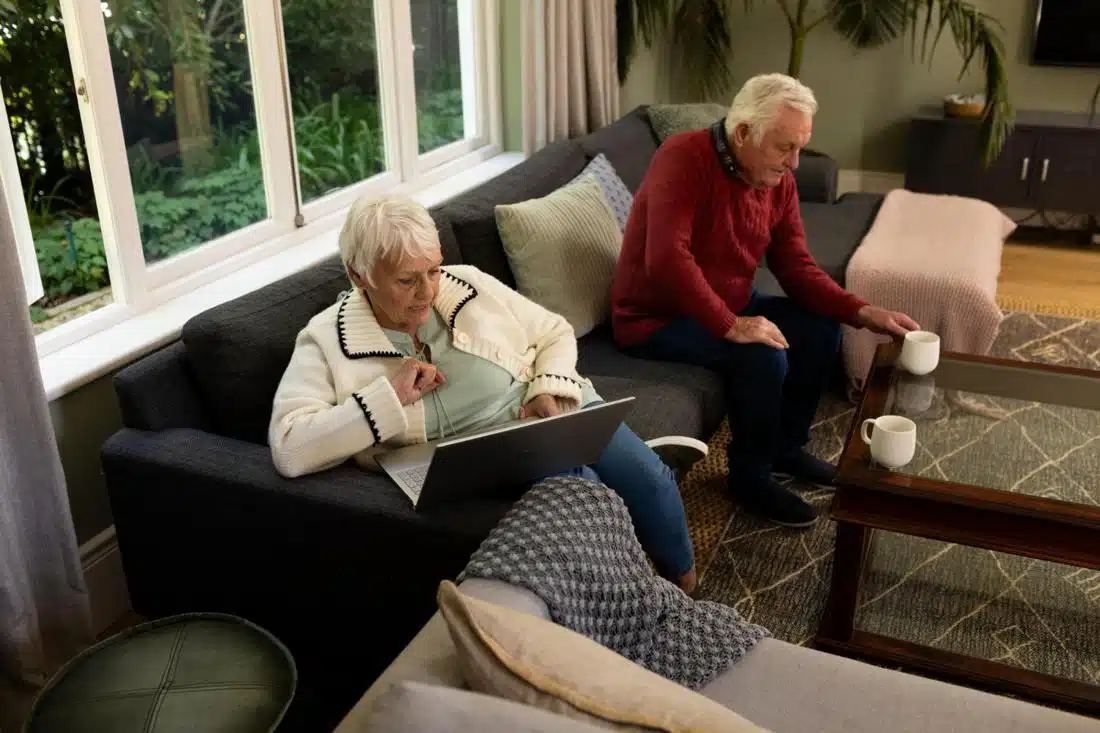
Aging in place – remaining in one’s home independently as long as possible – has become a preferred choice for many seniors. A survey by the CMA and the National Institute on Aging revealed that 96% of Canadians wish to remain in their own homes and live independently for as long as possible to avoid entering long-term care.
However, aging in place requires specific adaptations, including accessibility modifications and emergency preparedness measures, such as integrating an evacuation chair into the home.
At Evacuscape, we understand the importance of universal design in supporting safe, reliable evacuation for individuals with mobility challenges, ensuring everyone can exit buildings safely when it matters most. Let’s explore how adding an evacuation chair can be critical to making homes safer for seniors who choose to age in place.
Understanding the Importance of Aging in Place
Aging in place is about creating an environment where seniors can continue to live independently, surrounded by familiar comforts and connections to their community. For many, moving into assisted living facilities isn’t the preferred option, and they would remain in their own homes. However, adapting a home for senior residents requires proactive measures to improve accessibility, mobility, and safety.
Implementing solutions for emergency evacuations becomes especially important, as many seniors may experience mobility limitations. Preparing for all scenarios, including the need to exit a home during an emergency, is essential in creating an entirely safe and accommodating living environment for aging individuals.
The Role of Evacuation Chairs in Home Safety
Evacuation chairs are designed to facilitate the safe movement of people with mobility challenges, allowing them to be evacuated from buildings quickly and securely. For seniors who have difficulty navigating stairs, an evacuation chair for stairs is invaluable. This chair type can safely transport individuals down multiple flights without causing strain for the caregiver or risk to the senior.
In emergencies, staircases are a significant hurdle, especially if elevators are out of service or unavailable. Adding an evacuation chair to the home can mitigate risks, ensuring that seniors and caregivers can safely handle evacuations efficiently.
Key Features of Evacuation Chairs for Senior Safety
When adapting a home to support senior mobility, choosing the best evacuation chair models is essential to address the specific needs of elderly individuals. Key features to look for when exploring options on our website include lightweight construction for easy maneuverability, durable materials that can support various body types, and secure straps to keep the user safely in place during movement.
Many of our Evacuscape models are designed to require minimal physical effort from the caregiver, using braking systems, wheels, and tracks that move downstairs smoother. Some models even offer reclining options, allowing seniors to remain comfortable if they need to be evacuated over a longer distance.
Enhancing Senior Home Safety with Evacuation Chairs
Equipping homes with the right emergency evacuation tools should be part of any plan to improve senior home safety and enhance independence. Evacuation chairs protect seniors and provide peace of mind for family members, caregivers, and emergency responders, knowing there’s an effective evacuation solution.
These chairs can be stored near staircases or in other accessible areas, making them a convenient and vital resource in emergencies like fires or natural disasters. Ensuring that seniors and caregivers are trained to use the evacuation chair enhances preparedness and confidence, creating a safer home environment overall.
Planning for Effective Fire Evacuations
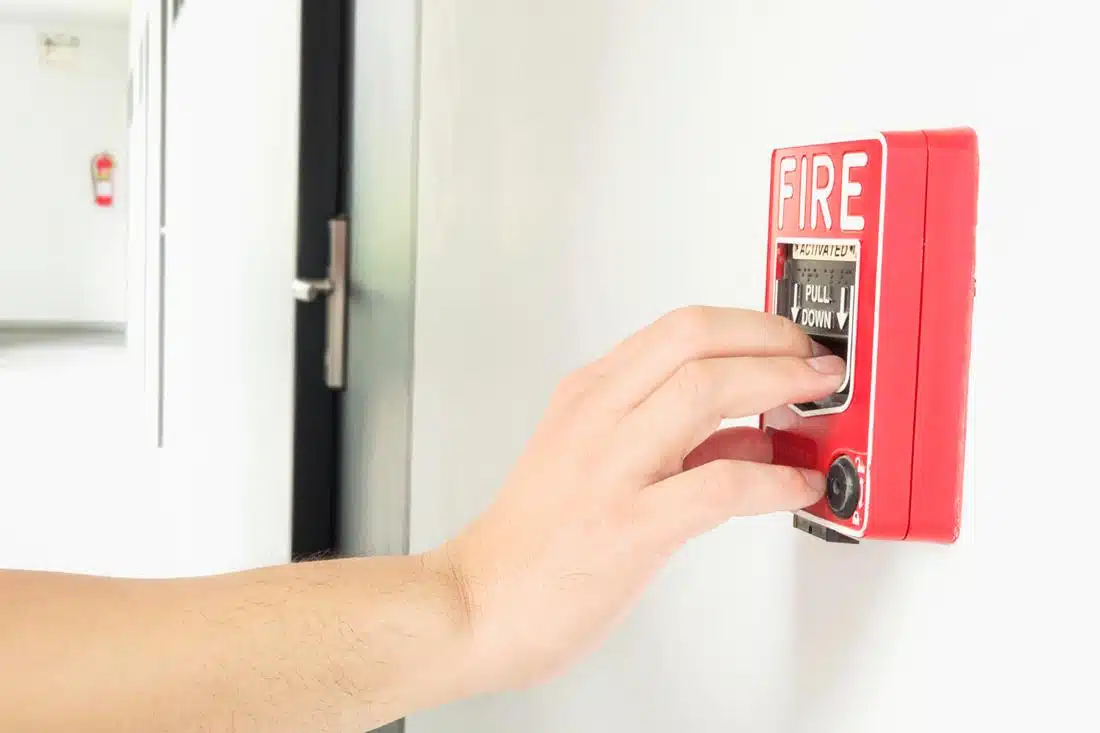
The need for a quick and safe evacuation is heightened in a fire. Fires can cause damage within minutes, making it critical to have a reliable means of escape, especially for seniors with limited mobility. In most cases, effective fire evacuations require tools that can maneuver through hallways, tight stairwells, or even outdoor areas.
An evacuation chair helps address these concerns by providing a dependable, streamlined way to evacuate seniors quickly. In addition, some evacuation chair models are designed to withstand extreme temperatures, enhancing safety even during high-risk situations. Including evacuation plans tailored to specific home layouts is essential, with clear instructions for using evacuation chairs during fire drills or other practice scenarios.
Choosing and Maintaining the Right Evacuation Chair
As homeowners look to enhance their emergency preparedness, choosing a suitable model and regularly maintaining it is crucial. The best evacuation chair models offer features tailored to seniors’ needs, such as ergonomic handles, reinforced seat belts, and collapsible designs that make storage easy. Homeowners should review the chair’s specifications, considering the senior’s weight, mobility level, and home layout.
Proper maintenance, including regular cleaning and inspections, ensures the chair remains functional and reliable for any unexpected event. Additionally, practicing using the chair with family members and caregivers helps everyone feel confident if needed.
Training Caregivers and Family Members in Evacuation Chair Use
Implementing an evacuation chair is only effective if those responsible understand how to operate it. Caregivers, family members, and neighbours should be trained to safely use the evacuation chair and general emergency protocols for seniors with limited mobility.
Training can include hands-on practice in maneuvering the chair downstairs, securing the senior in place, and understanding when and how to use the chair in various emergencies. With clear instructions and regular practice, all involved parties can respond more swiftly and accurately, increasing safety for everyone in the household.
Integrating Evacuation Chairs into a Comprehensive Home Safety Plan
An evacuation chair alone can be a powerful addition to a senior’s home, but its role becomes even more significant as part of a broader home safety plan. This includes other measures, such as installing grab bars, ramps, and non-slip flooring. Having emergency response devices and personal alarms is also beneficial so seniors can quickly summon help.
When integrated into a complete safety plan, an evacuation chair becomes part of a holistic approach to enhancing senior home safety, ensuring that all accessibility and emergency preparedness are addressed.
Creating Peace of Mind with a Proactive Approach
Adapting homes to make aging in place safe and feasible is a proactive and compassionate choice that supports seniors in maintaining independence while ensuring they are protected in all situations. An evacuation chair offers an essential safeguard, providing a reliable solution for emergency evacuations while promoting confidence for seniors and their loved ones.
With proper planning, training, and tools, aging in place can be comfortable and secure, providing a greater quality of life for seniors as they remain in the comfort of their homes.