


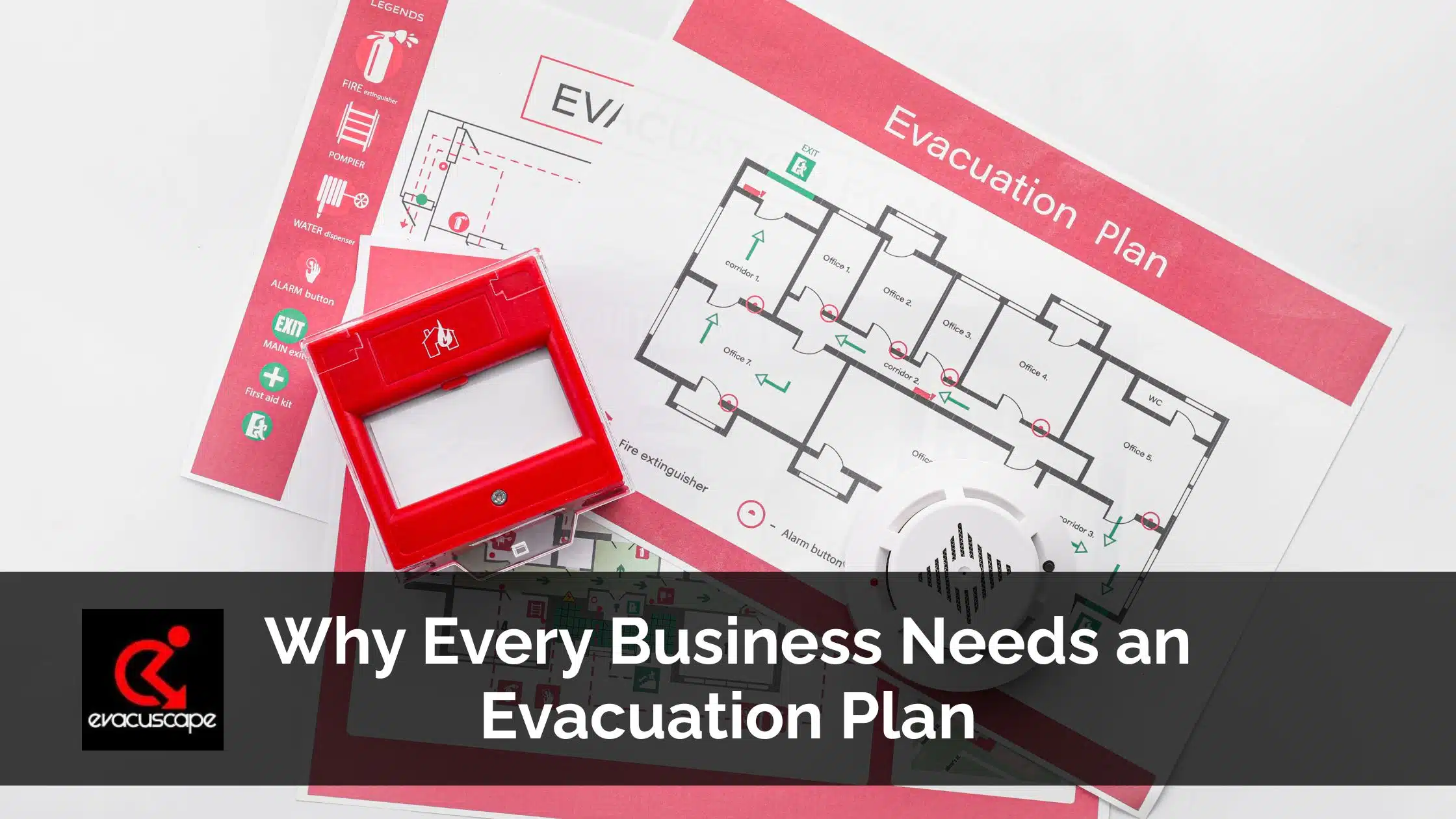
In business, you plan for growth. You strategize for success. You budget for the unexpected. But have you planned for the one thing that could save lives? An evacuation plan isn’t a luxury, it’s a necessity. Yet, too many businesses operate without one, gambling with the safety of their employees, customers, and future.
Emergencies don’t wait for a convenient moment. Fires, earthquakes, gas leaks, and other disasters can strike without warning. When that happens, chaos is inevitable, unless you’ve prepared for it. The latest data from the Canadian Survey on Business Conditions revealed that one in seven businesses across Canada were impacted to some degree by natural disasters or weather-related emergencies in the 12 months prior to the survey.
A solid business evacuation plan ensures that every person in your workplace knows exactly what to do, where to go, and how to stay safe.
If you don’t already have a workplace safety strategy, now is the time to act. It’s important for you to include evacuation chairs from us within your plan while creating evacuation strategies that save lives. The right plan combined with the ideal products can mean the difference between a well-executed evacuation and a tragic disaster.
The Risks of Operating Without an Evacuation Plan
A well-designed effective evacuation plan is more than just an emergency exit map. It’s a structured approach to keeping people safe and minimizing risks.
Increased Liability
If your company hasn’t invested in workplace safety strategies, you’re not just endangering lives, you’re exposing yourself to lawsuits, regulatory fines, and reputational damage. Imagine a scenario where a fire breaks out, and employees or customers suffer injuries due to poor emergency planning.
Legal consequences can be severe, with potential negligence claims leading to massive financial penalties. The Canada Occupational Health and Safety Regulations mandate that employers develop and implement emergency evacuation plans to ensure the safety of their employees.
Beyond legal implications, the damage to your company’s reputation can be irreversible. Businesses that fail to prioritize employee evacuation safety can lose customer trust and employee confidence, making it difficult to recover even after the immediate crisis subsides.
Panic and Confusion
Without an evacuation plan, people will react unpredictably in an emergency. Employees and customers may run in the wrong direction, get trapped, or hinder first responders. Panic spreads quickly, and in the absence of clear guidance, people can endanger themselves and others.
Consider a scenario in which employees are unaware of multiple exits and all try to leave through the same congested doorway. The result can be dangerous bottlenecks and potential injuries. A well-designed employee evacuation safety plan prevents chaos, ensuring people exit the building in an organized manner, minimizing risk and facilitating an effective emergency response.
Business Disruption
Even if a disaster doesn’t cause fatalities, the aftermath can cripple your business. Lack of planning leads to extended downtime, lost revenue, and shaken employee morale. Businesses that experience major disruptions without a clear recovery plan often take weeks or even months to get back on track.
A business evacuation planning strategy includes not just an escape route, but a roadmap for getting operations back up and running as soon as possible. This could mean coordinating with insurance providers, setting up temporary work locations, and maintaining employee engagement while recovery efforts take place.
Key Components of an Effective Business Evacuation Plan
A business evacuation planning strategy isn’t just about drawing an exit map and calling it a day. It’s about crafting a comprehensive response system that prioritizes safety and minimizes risk. Here’s what a robust plan includes.
Clear, Well-Marked Exits
Your emergency evacuation strategy should include clearly marked exits that are always accessible. Employees should never have to guess where to go when seconds count. Ensure that exit routes are well-lit, free of obstructions, and known to all employees and customers.
Businesses should also designate refuge points and why they matter within their evacuation plan. Refuge points serve as temporary safe zones for individuals who may have difficulty exiting immediately, such as those with mobility challenges or injuries. These areas should be clearly marked, easily accessible, and equipped with emergency communication tools to ensure assistance arrives promptly.
Regular inspections should be conducted to verify that emergency exits remain accessible, and alternative exits should be identified in case primary ones are compromised.
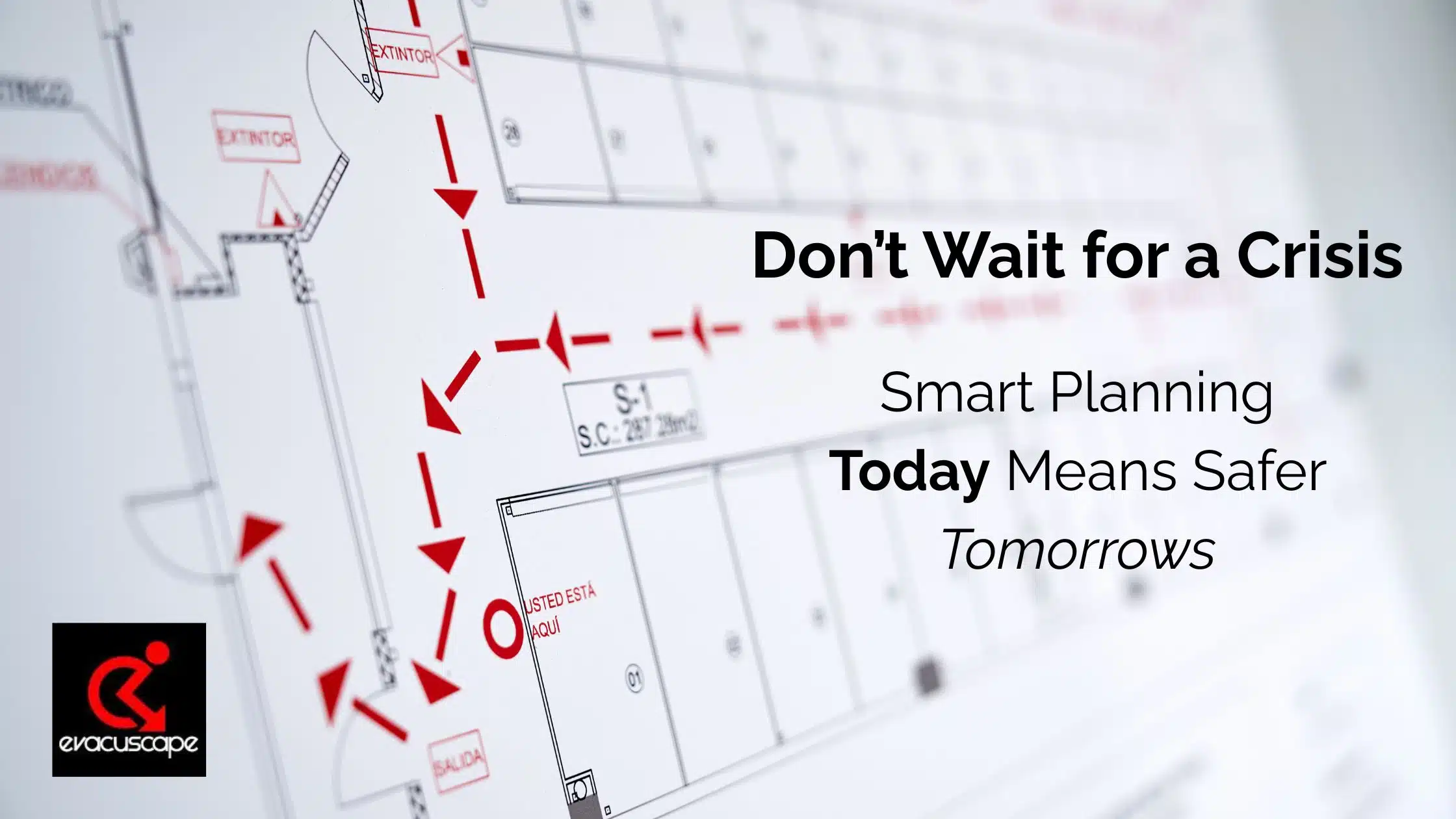
Defined Roles and Responsibilities
Who calls 911? Who helps with customer evacuation? Who ensures everyone is accounted for? The Canadian Centre for Occupational Health and Safety (CCOHS) outlines the necessity of assigning specific roles and responsibilities within an emergency plan.
Assigning roles is critical for an orderly evacuation. Businesses should designate emergency coordinators who oversee evacuations, floor wardens who guide people to safety, and first-aid responders who assist the injured. Without designated roles, confusion can lead to dangerous delays in an emergency.
Regular Drills and Training
An evacuation plan that only exists on paper is useless. Employees need to know it inside-out. Frequent drills ensure everyone can act swiftly and confidently. Regular training sessions should incorporate different emergency scenarios, such as fires, earthquakes, and active shooter situations.
Employees should be familiar with exit routes, designated safe zones, and communication protocols during an evacuation.
Special Considerations for Vulnerable Individuals
Your plan must account for employees or customers with mobility challenges. Having workplace safety tools like our evacuation chairs can be lifesaving. Our tools ensure that individuals with disabilities, elderly employees, or injured persons can be safely transported out of the building.
The Government of Canada’s guide on planning for safety provides information regarding the needs of at-risk individuals in emergencies. Evacuation procedures should include staff members trained to assist those who need extra help.
Communication Protocols
A solid evacuation plan includes a system for alerting employees and customers. Whether it’s alarms, PA announcements, or emergency apps, people need clear instructions instantly. A good strategy incorporates multiple communication methods to ensure that everyone receives alerts regardless of their location.
It’s also crucial to understand the different types of evacuations that may be required depending on the emergency. Whether it’s a full building evacuation, a phased evacuation, or a shelter-in-place scenario, clear communication protocols ensure that employees know exactly what to do in each situation.
How Evacuation Plans Protect Employees and Customers
Preventing Injury and Fatalities
In emergencies, time is everything. A solid plan ensures people can escape quickly and safely, reducing the risk of injury or worse. Fires can spread within minutes, and in the event of a gas leak or structural failure, every second counts.
Understanding the different emergency situations that require evacuation is crucial to tailoring your plan effectively. From fires and gas leaks to chemical spills and natural disasters, having a detailed response strategy for each scenario ensures a swift and safe evacuation.
Boosting Employee Confidence
When employees know their company values safety, it fosters trust and security. No one should have to wonder, “What do I do if something happens?” A strong safety culture enhances morale and productivity, making employees feel secure in their work environment.
Protecting Your Brand’s Reputation
A disaster handled well can reinforce customer trust. One handled poorly can destroy it. An employee evacuation safety strategy protects not just lives, but your company’s future. Consumers are more likely to support businesses that prioritize safety and preparedness.
Compliance with Safety Regulations
Regulatory bodies demand businesses meet specific safety standards. A lack of an evacuation plan can lead to violations and hefty fines. Non-compliance can also result in business closures and reputational damage. Check out our blog resource on the six Ps of a well-planned evacuation to ensure that your evacuation plan is ready for disasters.
Evacuscape: Your Partner in Workplace Safety
At Evacuscape, we offer top-tier workplace safety tools, including state-of-the-art evacuation chairs. Our team is also trained to provide expert guidance on implementing and testing your emergency evacuation strategy.
An evacuation plan isn’t just a smart move; it’s a survival strategy. Don’t wait until disaster strikes; prioritize safety today.